
Pergola Creations
Sustainable Design Is Not a Premium Feature It Is Responsible Architecture
Sustainability has become one of the most frequently used terms in the built environment. It appears in marketing campaigns, project brochures, and property descriptions, often presented as a distinctive feature that sets a building apart. While this growing awareness is positive, it has also created a misconception: that sustainable design is an optional upgrade rather than a fundamental responsibility.
At its core, sustainability should not be viewed as a premium add-on or a decorative label. It is an essential principle of good architecture. Responsible design considers not only how a building looks, but how it performs, how it responds to its environment, and how it serves the people who use it throughout its lifespan.
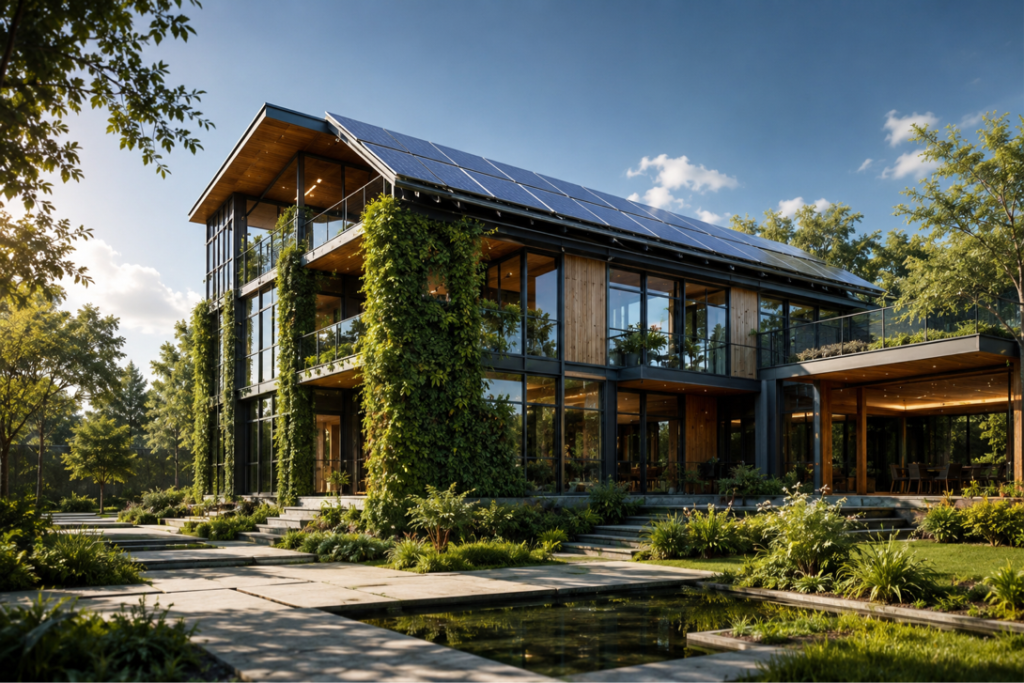
Context: Sustainable architecture
Source:AI-generated illustration
Moving Beyond Labels
A building does not become sustainable simply because it incorporates a few environmentally conscious elements. Green walls, solar panels, or recycled materials can contribute to sustainability, but they do not define it.
True sustainability is measured by performance. It asks critical questions:
- How effectively does the building respond to its climate?
- Does it minimize unnecessary heat gain?
- Can natural ventilation reduce reliance on mechanical cooling?
- Are materials selected for durability, local suitability, and long-term efficiency?
- Does the design minimize waste during construction and operation?
- Will the building continue to serve its occupants effectively for decades to come?
Sustainable architecture is not about appearances, it is about creating buildings that work intelligently and efficiently.
Sustainability Begins at the Design Stage
The most impactful sustainability decisions are made long before construction begins.
Building orientation, massing, spatial planning, natural ventilation strategies, shading devices, daylight penetration, material selection, and circulation patterns all influence long-term performance. These considerations cannot be successfully introduced as afterthoughts; they must be integrated into the design process from the outset.
A building that ignores natural airflow may require excessive mechanical cooling. Poorly considered solar exposure can result in overheating and discomfort. Materials selected solely for aesthetics may lead to increased maintenance costs and premature replacement.
Responsible architecture anticipates these challenges before they arise. It combines creativity with foresight, ensuring that design decisions contribute to long-term functionality, efficiency, and value.
Sustainability Enhances Everyday Comfort
One of the most overlooked aspects of sustainable design is its direct impact on human comfort and wellbeing.
Well-designed buildings are naturally cooler, healthier, brighter, and more enjoyable to occupy. They create environments that support daily life while reducing dependence on energy-intensive systems.
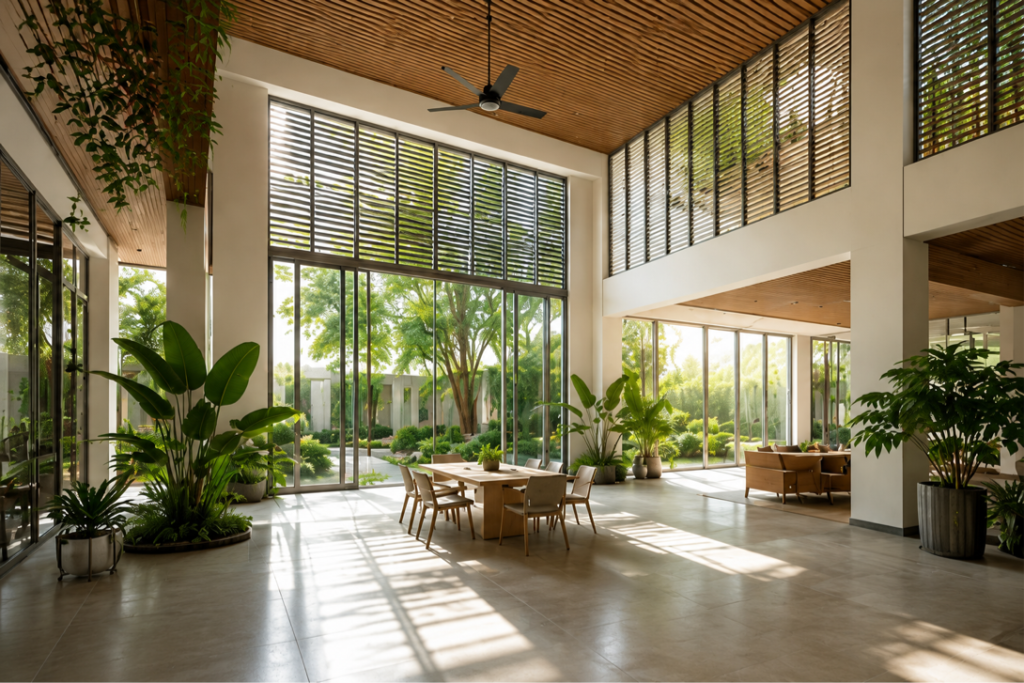
Context: Natural ventilation & daylight.
Source: AI-generated illustration.
Natural ventilation, for example, allows fresh air to circulate through interior spaces, improving comfort and indoor air quality while reducing cooling demands. Similarly, thoughtful daylighting strategies introduce natural light in a controlled manner, creating uplifting interiors without excessive glare or heat gain.
These are not luxury features. They are hallmarks of thoughtful, responsible architecture.
Intelligent Buildings Create Lasting Value
Project cost alone is not a measure of quality.
A building may feature premium finishes, expansive spaces, and striking aesthetics, yet still suffer from poor circulation, inefficient planning, inadequate environmental performance, or uncomfortable interior conditions.
The most successful buildings are not necessarily the most expensive; they are the most intelligently designed.
Intelligent architecture responds to its climate, understands its users, and fulfils its purpose efficiently. It creates value through strategic decision-making rather than unnecessary expenditure. In many cases, sustainable design reduces long-term costs by minimizing operational inefficiencies, reducing maintenance requirements, and avoiding expensive future modifications.
Good architecture is not about spending more, it is about designing better.
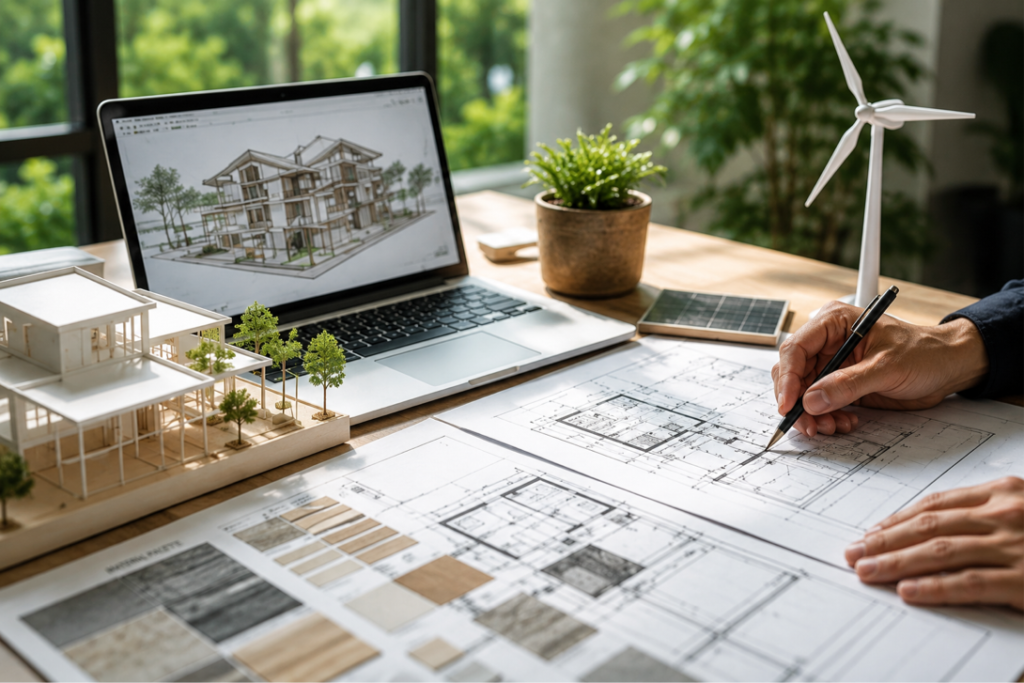
Context: Thoughtful design planning
Source: AI-generated illustration
The Questions Every Client Should Ask
Clients play an important role in driving more responsible and sustainable development. Beyond aesthetics, every project should be evaluated through the lens of long-term performance.
Key questions include:
- How will the building remain comfortable throughout the year?
- How will natural light be introduced and controlled?
- How will fresh air move through the building?
- Which materials are most appropriate for the local climate?
- What level of maintenance will the building require over time?
- How does the design support the daily needs of its occupants?
- How will the building perform in ten, twenty, or even fifty years?
These questions encourage a shift from short-term visual appeal to long-term value, resilience, and performance.
A Responsibility, Not an Option
The most successful buildings are not simply those that look impressive on the day they are completed. They are the buildings that continue to perform effectively, adapt to their environment, and enrich the lives of the people who use them for years to come.
Sustainable design should not be regarded as a premium feature. It should be recognized as a fundamental responsibility of architecture.
At its best, architecture creates spaces that are beautiful, functional, durable, and environmentally responsive. Sustainability is not an extra layer added to good design – it is an integral part of what good design should already be.